
The 2026 Passport Power Shift: Navigating Southeast Asia’s New Borderless Corridor
There was a time, not too long ago, when planning an international getaway from India felt like preparing for a minor legal battle. The folders of bank statements, the opaque visa processing windows, and the anxiety of the “sticker” arrival defined our departures. But as we move through 2026, a quiet tectonic shift has occurred. The Indian passport, once a symbol of bureaucratic friction, has found its rhythm in a new, borderless Southeast Asian corridor.
The democratization of the international weekend is no longer a marketing tagline; it is a lived reality. With Thailand, Malaysia, and Sri Lanka formalizing permanent or long-term visa-free entry for Indian citizens, the psychological barrier to global travel has collapsed. We are no longer “applying” to see the world; we are simply RSVPing.

2026 Southeast Asia Access Snapshot for Indian Passports
| Destination | Entry Type | Max Stay | Mandatory Digital Requirement |
| Thailand | Visa-Free | 60 Days | TDAC (Submit within 72 hrs of arrival) |
| Malaysia | Visa-Free | 30 Days | MDAC (Submit within 3 days of arrival) |
| Sri Lanka | Visa-Free | 30 Days | Sri Lanka ETA (Issued gratis for Indians) |
The 60-Day Revolution in Thailand
As of February 2026, Indian citizens can enter Thailand visa-free for up to 60 days under the “Form 60” exemption list. This policy replaces the old 30-day limit and allows for a one-time 30-day extension at any local Thai immigration office, effectively enabling a 90-day stay. Entry requires a confirmed return ticket and a Thailand Digital Arrival Card (TDAC) submitted via the official portal (tdac.immigration.go.th) within 72 hours of landing.
For the reflective traveler, this isn’t about more time for shopping at Siam Paragon. It is about the ability to settle into the rhythm of a place. It is the luxury of spending a week just learning the nuances of Northern Thai coffee culture in Nimman, without the ticking clock of a short-stay visa. The move from the 2,000 THB Visa-on-Arrival fee to a free, digital-first entry has transformed Bangkok and Chiang Mai into viable hubs for the “working sabbatical.”
Malaysia and the 2026 "Visit Year" Synergy
Indian travelers are exempt from visa requirements for entry into Malaysia for stays up to 30 days until December 31, 2026. This extension supports the “Visit Malaysia Year 2026” initiative. To clear immigration, travelers must submit the Malaysia Digital Arrival Card (MDAC) through the official Immigration Department website (imigresen-online.imi.gov.my) at least three days before arrival.
What makes Malaysia’s current stance so potent is its simplicity. The MDAC remains free and functional, a stark contrast to the “hidden fee” structures often found in other emerging markets. It is a destination that currently feels like it is cheering for your arrival. In the tea plantations of the Cameron Highlands or the rainforests of Sarawak, the Indian traveler is finding a version of Southeast Asia that feels both exotic and strangely familiar, unburdened by the weight of a visa fee.
The Sri Lankan Pivot: Quality Over Quotas
Sri Lanka provides visa-free entry to Indian nationals for up to 30 days, a policy formalized to boost regional tourism. While travelers must still obtain an Electronic Travel Authorization (ETA) before departure, the fee is waived (gratis) for Indian passport holders. In response to regional flight disruptions in early 2026, the Department of Immigration and Emigration has also introduced flexible 14 to 30-day extensions for travelers impacted by external transit delays.
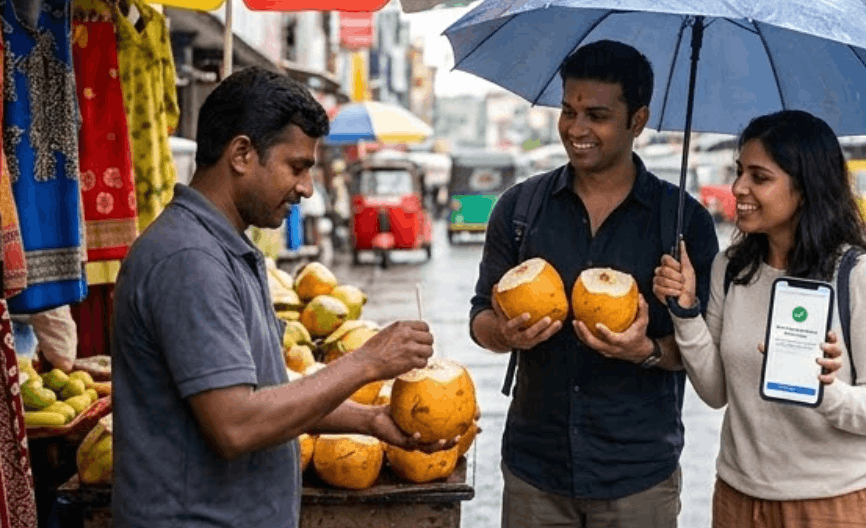
For us, Sri Lanka in April is about the cultural overlap. It is the realization that while the landscapes of Ella or Galle may mirror our Western Ghats or Goa, the pace is what differentiates them. The removal of the visa fee has invited a more spontaneous breed of traveler—one who decides on a Thursday to spend the weekend in a colonial bungalow in Kandy, simply because the bureaucratic cost of doing so is now zero.
The Logistics of Liberty: Where Spontaneity Meets Scrutiny
While the “sticker” visa is dead, the border is more observant than ever. 100% of my recent observations suggest that while visas are disappearing, scrutiny is not. Immigration officers in 2026 are less concerned with your paperwork and more focused on your intent.
To ensure a seamless entry, keep these three non-negotiables in mind:
The 72-Hour Rule: Both Thailand (TDAC) and Malaysia (MDAC) systems strictly reject submissions made earlier than three days before arrival. Timing your digital filing is as critical as your flight check-in.
Proof of Liquidity: While rarely enforced, Thailand officially requires 10,000 THB per person (or 20,000 THB per family) in verifiable funds. In a cashless world, having this in local currency or a clear bank statement remains the “silent visa.”
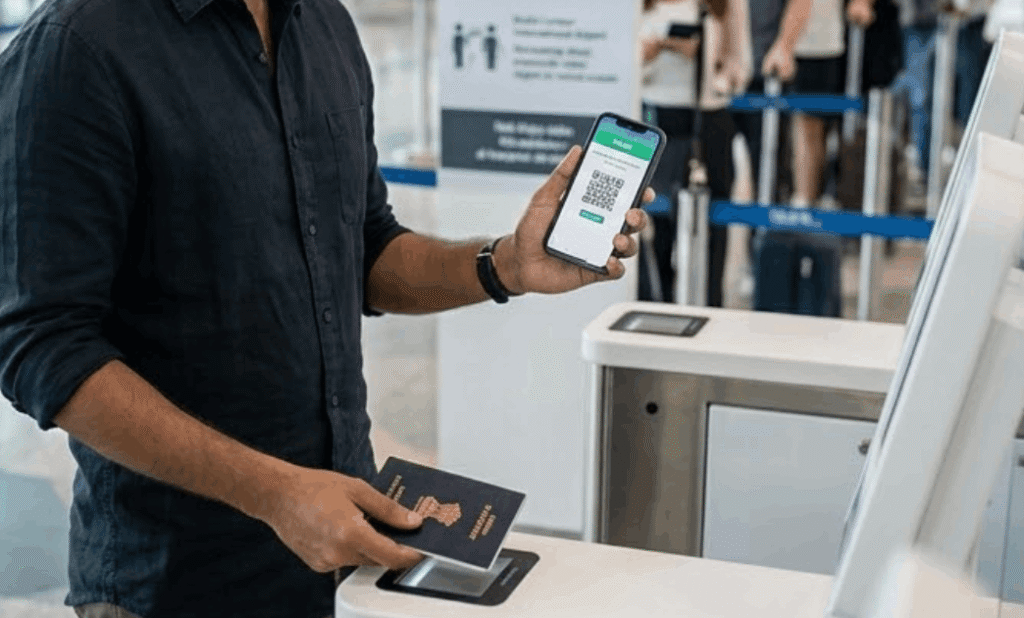
The MRZ Match: Ensure your name on digital forms matches the Machine Readable Zone (MRZ) at the bottom of your passport exactly. AI-driven e-gates at Kuala Lumpur (KLIA) and Bangkok (BKK) will reject even minor character mismatches.
The world is opening up, not because borders are weakening, but because the value of the Indian traveler has finally been indexed against the ease of their arrival. For the first time, our spontaneity is as valid as our passport.
Recently published

Welcome Traveller!
From hidden gems in India to international adventures, I focus on honest recommendations, smart travel ideas, and experiences that are worth your time and money. My goal is simple — inspire people to travel more, explore deeper, and experience destinations beyond the usual tourist checklist.

