
The Spiti Spring Thaw: Why the "Long Way" via Kinnaur is 2026’s Most Rewarding Journey
There is a specific, fleeting tension in the air of the high Himalayas come May. In the lower valleys of Himachal, the apple blossoms are giving way to the first hints of summer heat. But as you ascend the winding artery of the Hindustan-Tibet Highway (NH-5), the narrative shifts. This is the season of the “Spring Thaw”, a period where Spiti Valley begins to exhale after a six-month hibernation.
For the uninitiated, the instinct is often to wait for the opening of the Rohtang and Kunzum Passes from the Manali side. But the veteran traveler knows that the true soul of the trans-Himalayan crossing lies in the “Long Way.” Entering Spiti via the Shimla-Kinnaur corridor in May is not merely a logistical necessity; it is a masterclass in ecological transition.
The Kinnaur Corridor: A Study in Vertical Transition
Traveling from Shimla to Kaza via Kinnaur is the most reliable way to enter Spiti in May 2026, as the Kunzum Pass typically remains snowbound until early June. This 412 km journey is favored for its gradual altitude gain, allowing for superior acclimatization compared to the abrupt ascent from Manali. The route climbs from the cedar forests of Narkanda (2,708m) to the arid, high-altitude desert of Tabo (3,280m), providing a staggered introduction to the “Thin Air” geography.
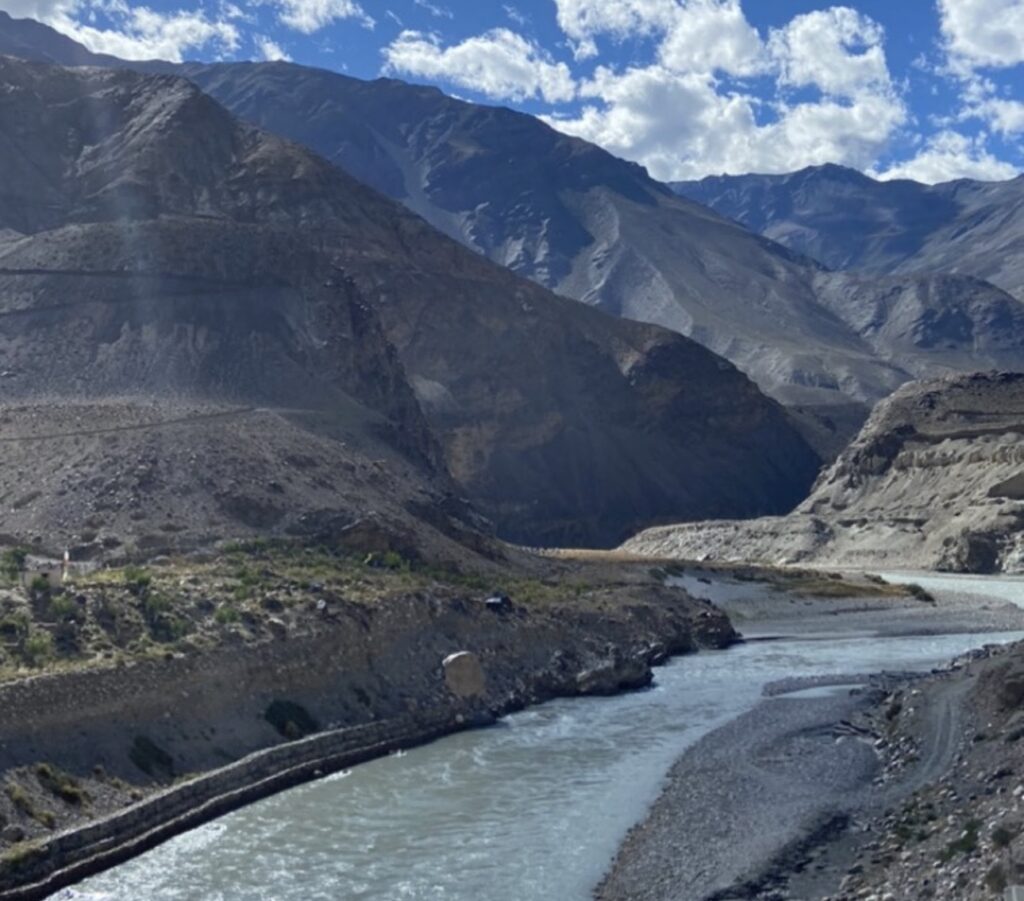
The beauty of May lies in the contrast. In Kalpa, you wake up to the Kinner Kailash range draped in heavy spring snow, while the Baspa River below churns with the first rush of glacial melt. By the time you cross the Khab bridge, the confluence of the Satluj and Spiti rivers, the greenery vanishes. You are no longer in the “Hills”; you have entered the “Mountain Desert.”
The May "Sweet Spot": Silence Before the Surge
In 2026, over-tourism has become a primary concern for the fragile Spiti ecosystem. May offers a rare “Goldilocks” window. The brutal sub-zero nights of winter (-20°C) have mellowed into bearable chills (5°C to -5°C), and the “dry toilet” lifestyle is slowly being replaced as village pipes unfreeze. Yet, because the Manali-Kaza road is still closed, the thunderous convoys of summer tourists are absent.
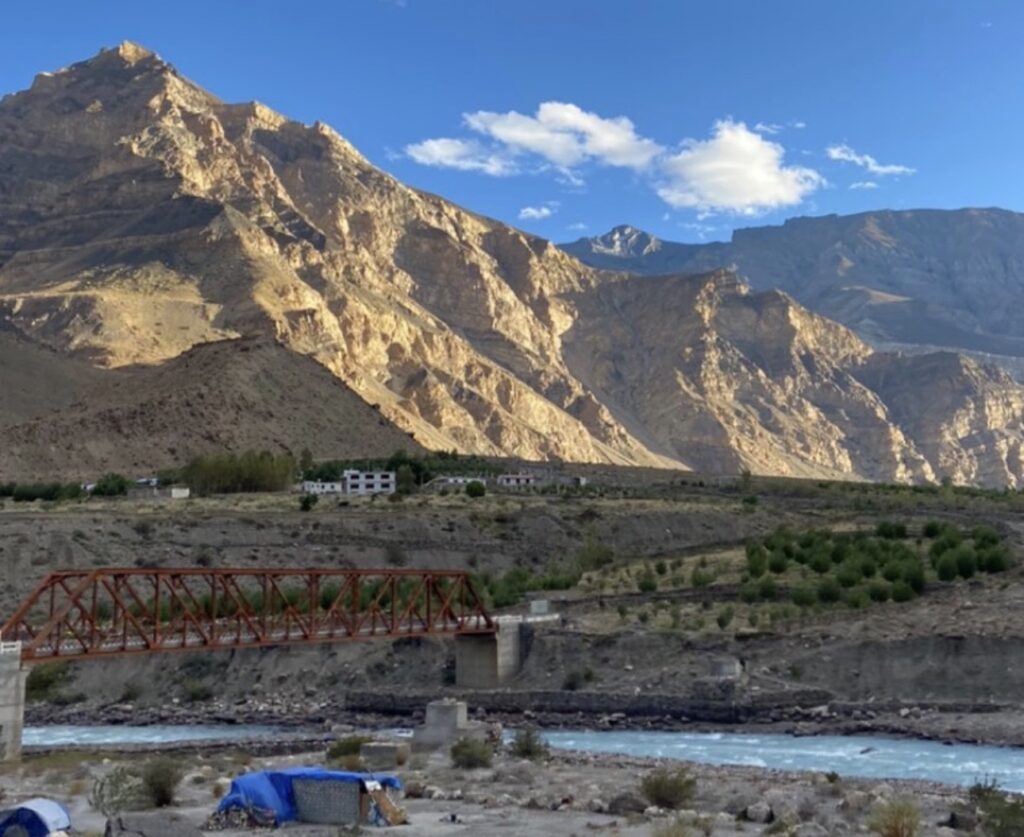
This is a time for Observational Travel. You can sit in the 1,000-year-old corridors of the Tabo Monastery without the background hum of idling diesel engines. You can watch the first patches of green barley emerge in the fields of Langza, a stark defiance against the crumbling brown fossils that give the village its fame. It is a period of quiet resilience that most travelers miss in their rush for “peak season” convenience.
The Logistics of the Thaw: Where Spontaneity Meets Strategy
While the Shimla route is open year-round, May presents unique environmental challenges that demand industry-level awareness.
The Malling Nallah Paradox: This section between Nako and Tabo is notorious. In May, as the snow melts, the “shooting stones” and water crossings become more active in the afternoons. The rule of the road here is simple: Cross before 10:00 AM.
Fuel and Connectivity: Beyond the petrol pump at Tapri (near Reckong Peo), there is a 200 km void before you reach Kaza. In May 2026, BSNL remains the only reliable network for the higher reaches of the valley, though Jio has stabilized in Kaza proper.
Acclimatization Hierarchy: A responsible May itinerary demands a minimum of two nights in Kinnaur (Sarahan/Kalpa) before attempting the stay in Kaza. Rushing this ascent is the primary cause of AMS (Acute Mountain Sickness) in spring travelers.
The Human Element: Why Group Intelligence Matters
Spiti in the spring is not a destination for the casual weekend warrior. It is a high-stakes environment where the weather can pivot from a sunny 15°C afternoon to a blinding snow squall in twenty minutes. Navigating the “Long Way” requires more than just a map; it requires a collective understanding of the mountain’s current mood.
There is a profound difference between being a tourist in Spiti and being a guest of the valley. The latter involves understanding which homestays have truly “woken up,” which monastic rituals are open to observers in the spring, and having the mechanical backup to handle a slushy Malling Nallah crossing without a second thought.
Join Me in the Valley of the Gods
This May, I am heading back to the “Middle Land” to witness this thaw firsthand. I’ve partnered with Skaya Club to organize a curated, small-group expedition that follows the exact Shimla-Kinnaur-Spiti circuit described above. We aren’t just chasing the sights; we’re chasing the silence.
If you’ve been waiting for the right moment to see Spiti without the crowds, with the safety of an expert team and the comfort of handpicked stays, this is it.
Explore the Full Itinerary and Join the Expedition: Skaya Club x WanderWithKevin: Spiti May 2026 Expedition

Recently published

Welcome Traveller!
From hidden gems in India to international adventures, I focus on honest recommendations, smart travel ideas, and experiences that are worth your time and money. My goal is simple — inspire people to travel more, explore deeper, and experience destinations beyond the usual tourist checklist.

